Made for your furry friends

Veterinary Clinic in Saaremaa

Saaremaa Veterinary Clinic 🐾

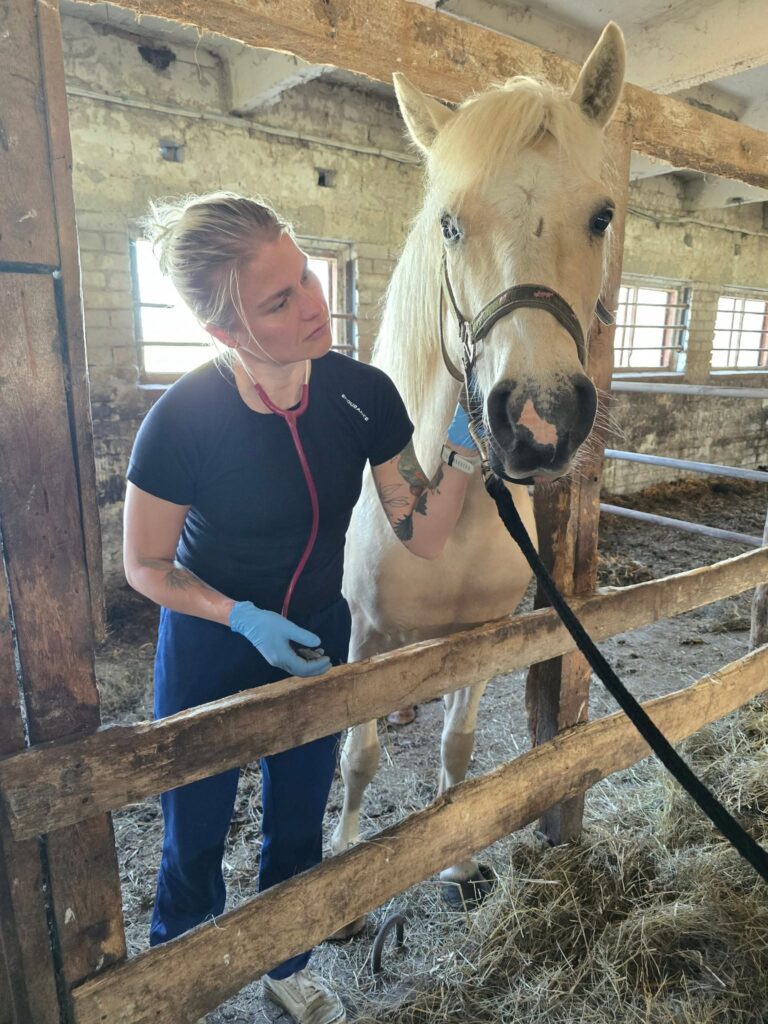
Saaremaa Veterinary Clinic welcomes all animals, from the very smallest to the very largest. We treat dogs, cats and other pets, as well as horses and farm animals.

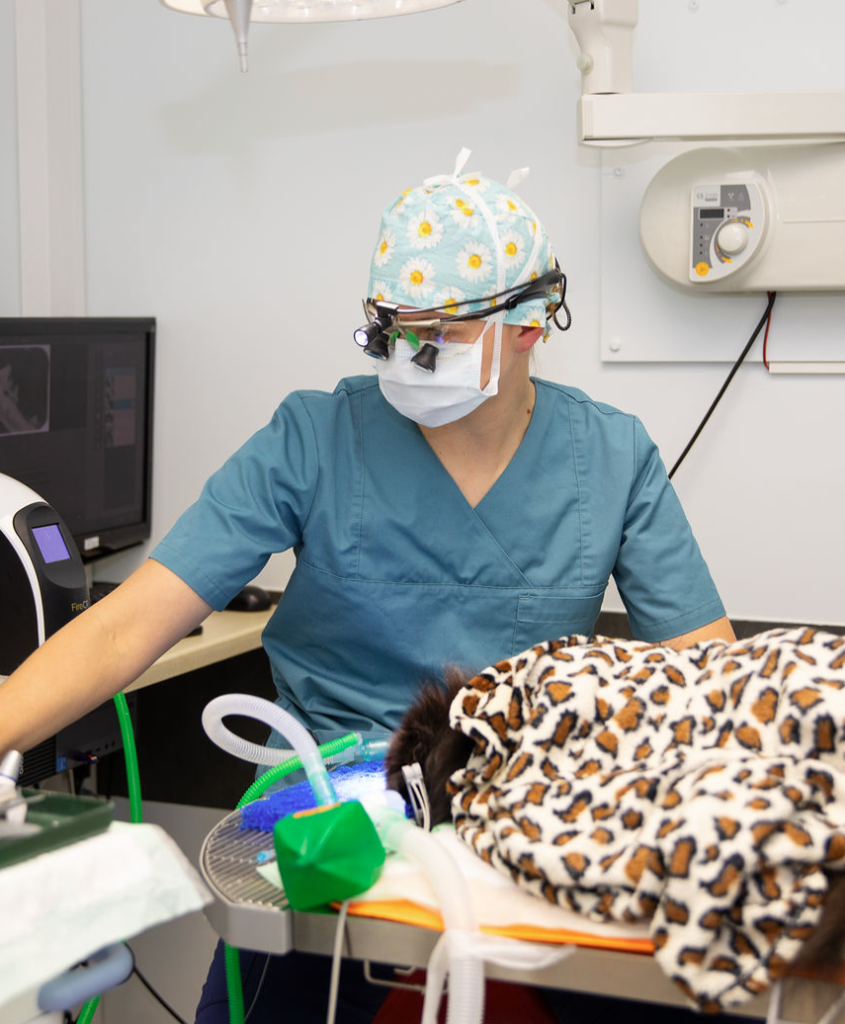
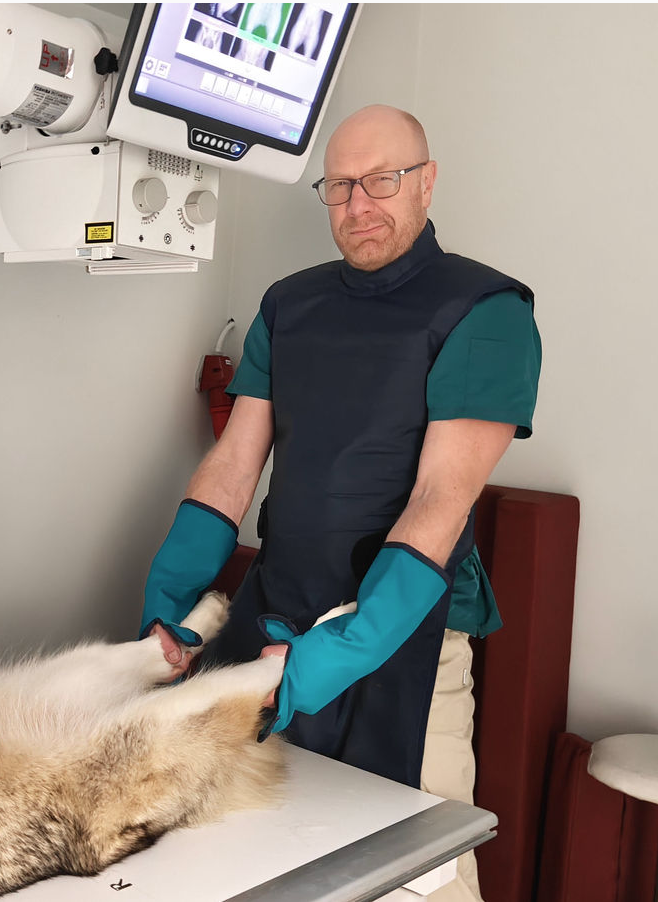
We help with everyday health concerns as well as with more complex cases that need urgent intervention. At our clinic you can have X-ray and ultrasound examinations, blood tests, dental care and dental X-rays, general veterinary care, home visits, and a range of surgical and orthopaedic procedures.

We are a local veterinary clinic founded by islanders, and every animal and its owner is welcome, including the very biggest and the very smallest.

SERVICES

Modern diagnostics and treatment for your pet’s wellbeing

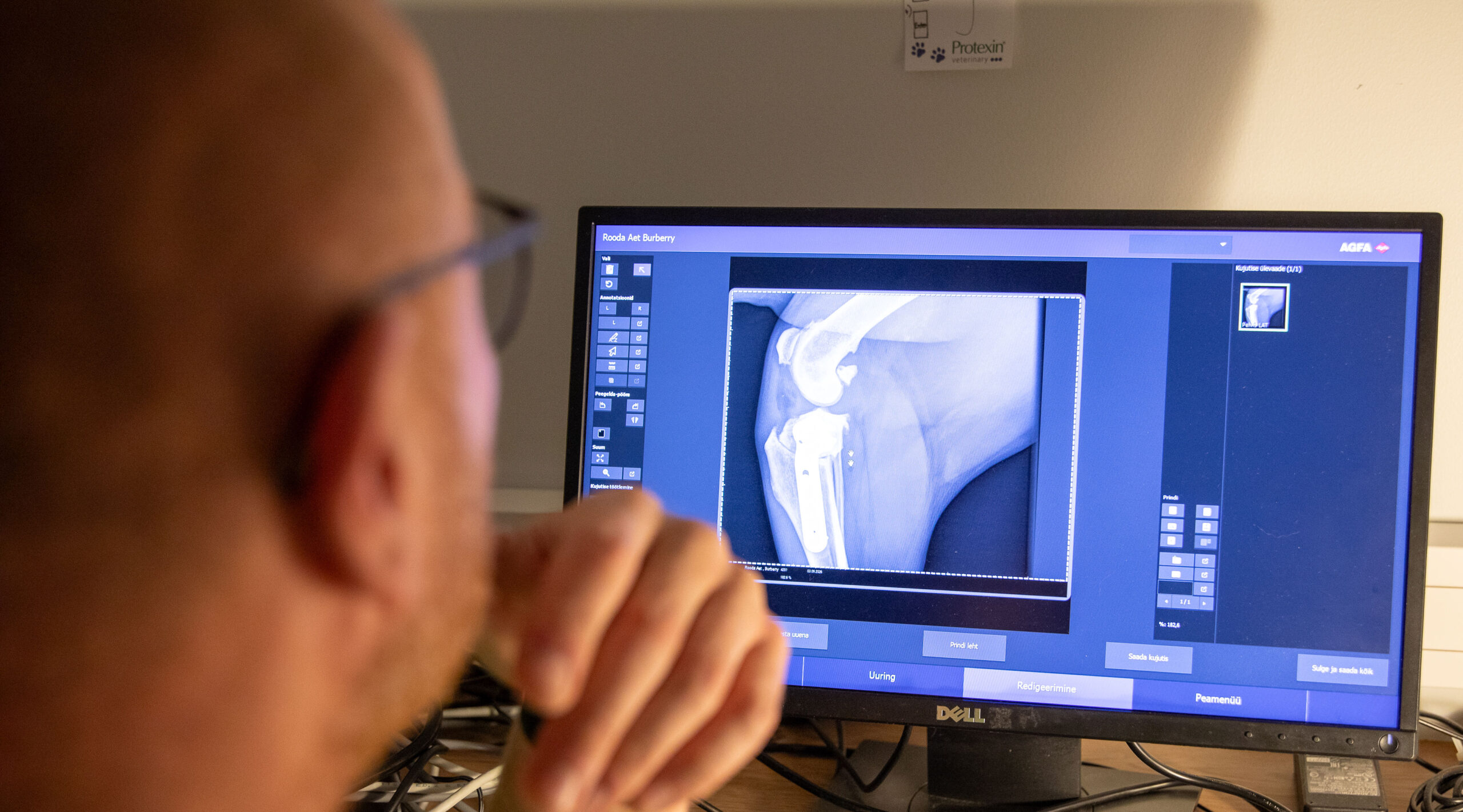
Röntgenuuringud

Saaremaa Loomakliinikus teostame digitaalseid röntgenuuringuid, mis aitavad kiiresti hinnata luude, liigeste, rindkere ja kõhuõõne seisundit ning leida erinevate tervisemurede põhjuseid.
Loe lähemalt

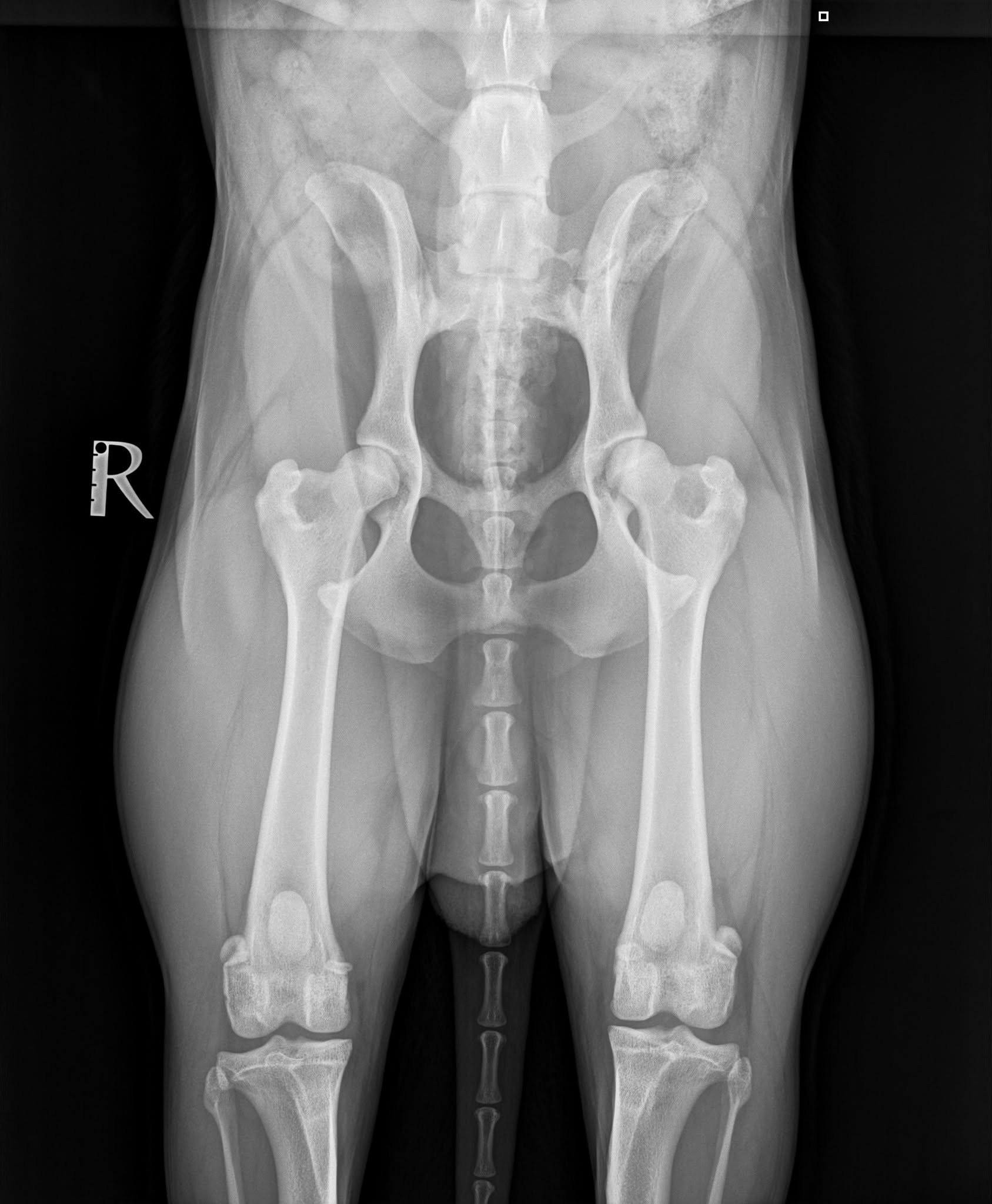
Dysplasia examination

Pets can suffer from various hereditary conditions, and the risk can be significantly reduced through responsible breeding and pre-mating health checks. One of the most important of these checks is joint dysplasia screening.
Read more

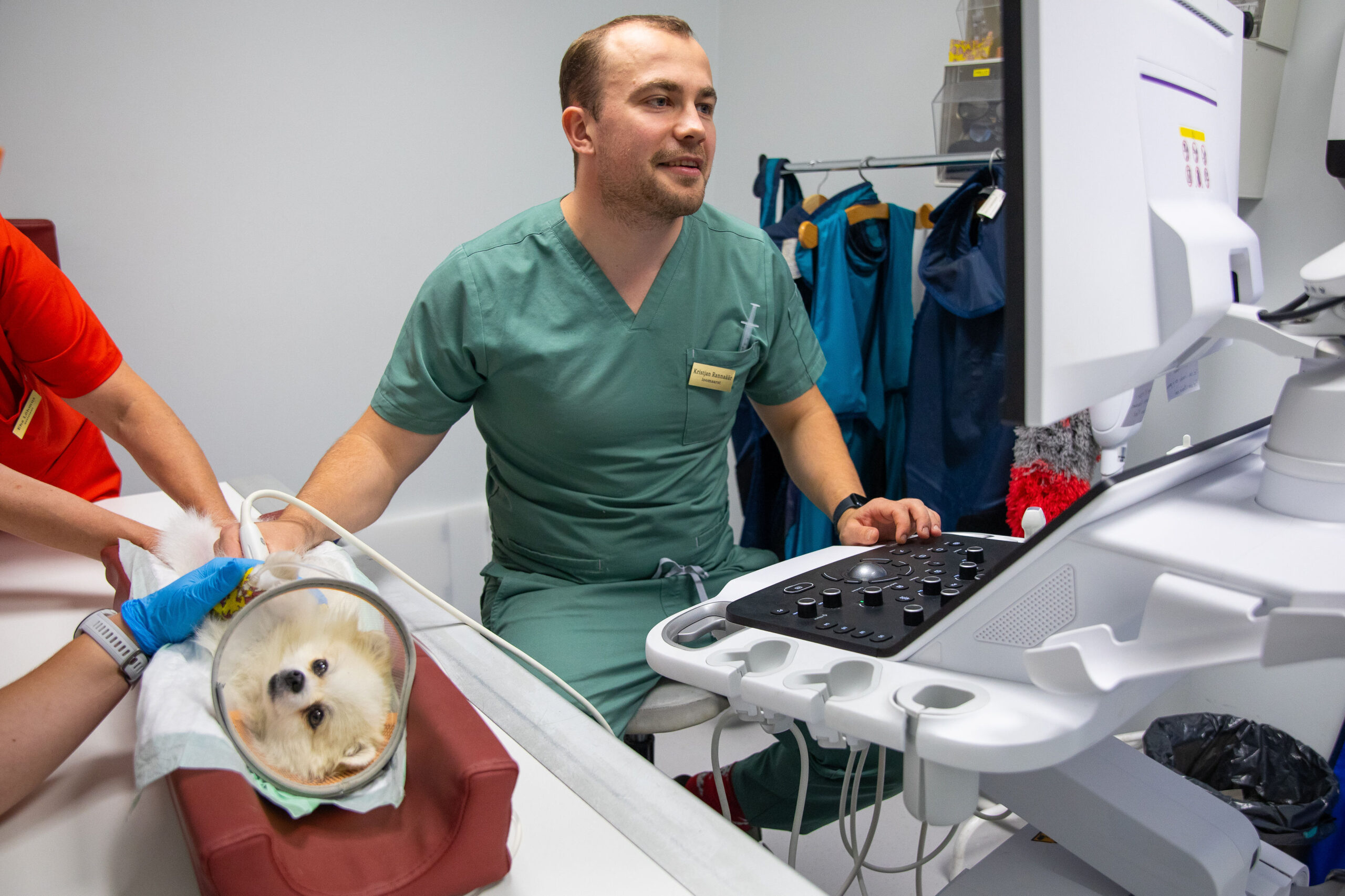
Ultraheliuuring

Ultraheliuuring on kiire ja valutu viis vaadata, mis toimub looma organismis ilma operatsioonita.


Loe lähemalt

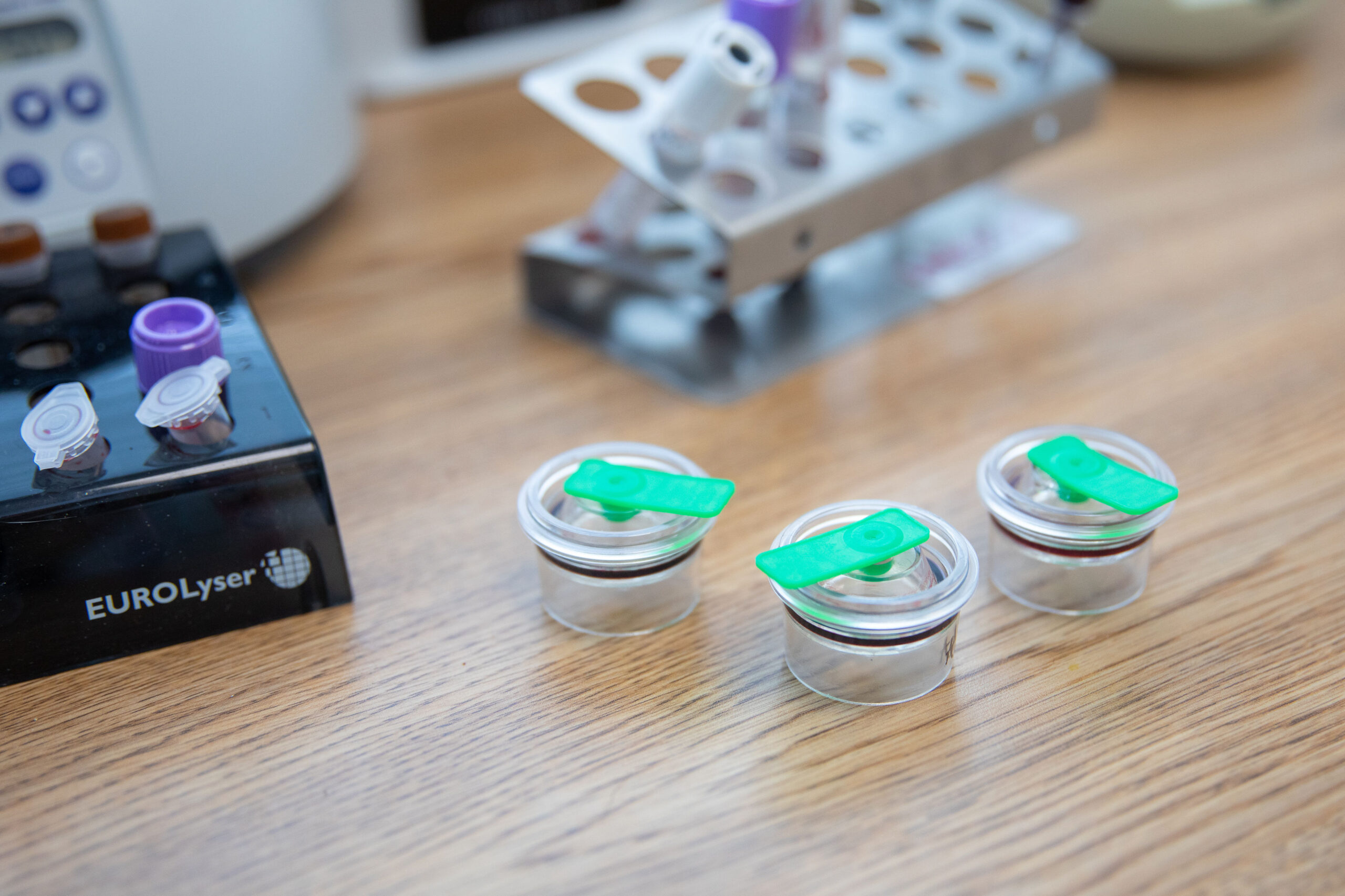
Laborianalüüsid

Laborianalüüsid annavad kiiresti väärtuslikku infot looma üldise terviseseisundi ja organismis toimuvate muutuste kohta.


Loe lähemalt

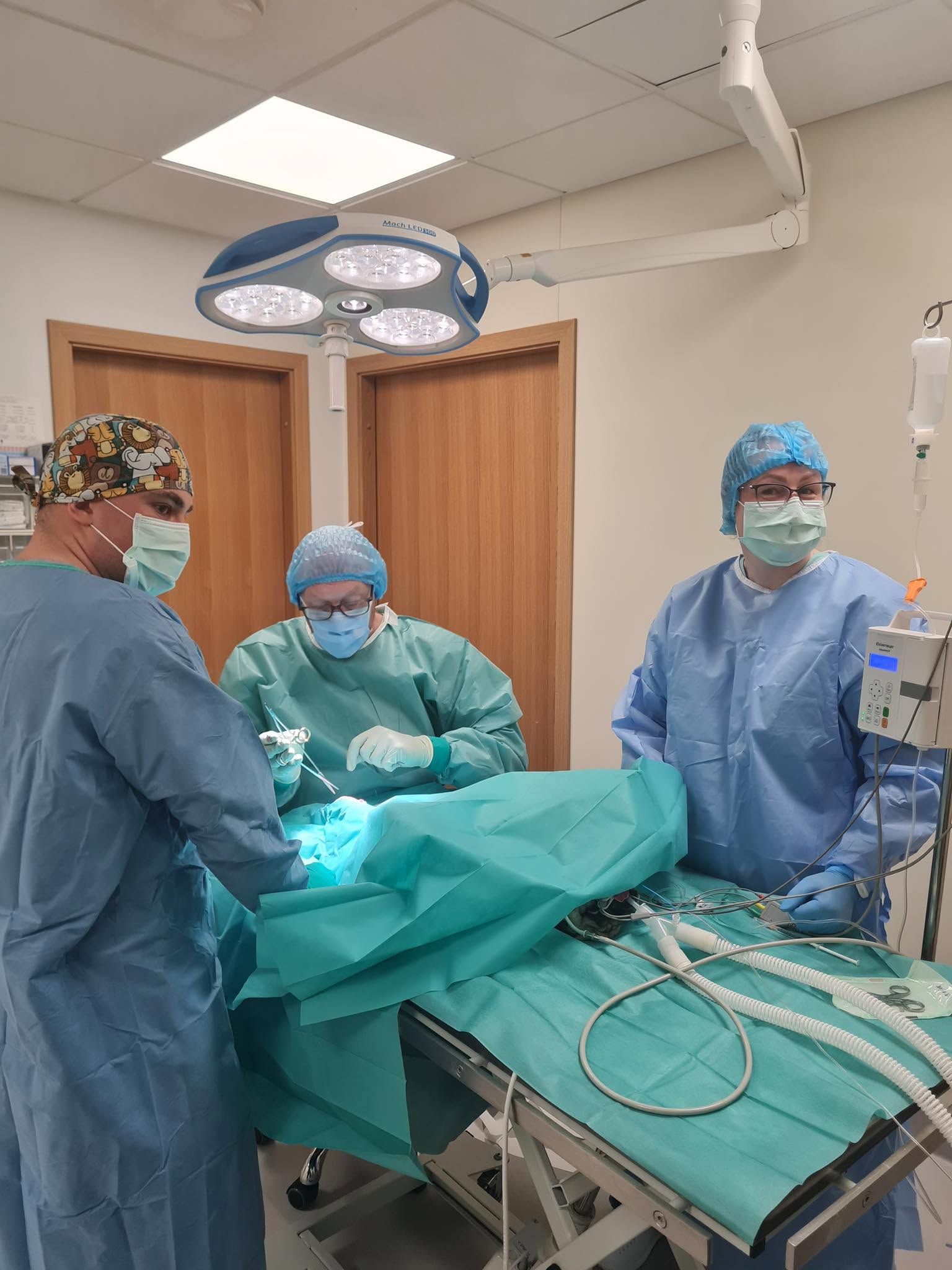
Surgery

Surgical procedures include, for example, spaying and neutering, tumour removal, surgical wound treatment, abdominal surgery and various orthopaedic procedures.
Read more

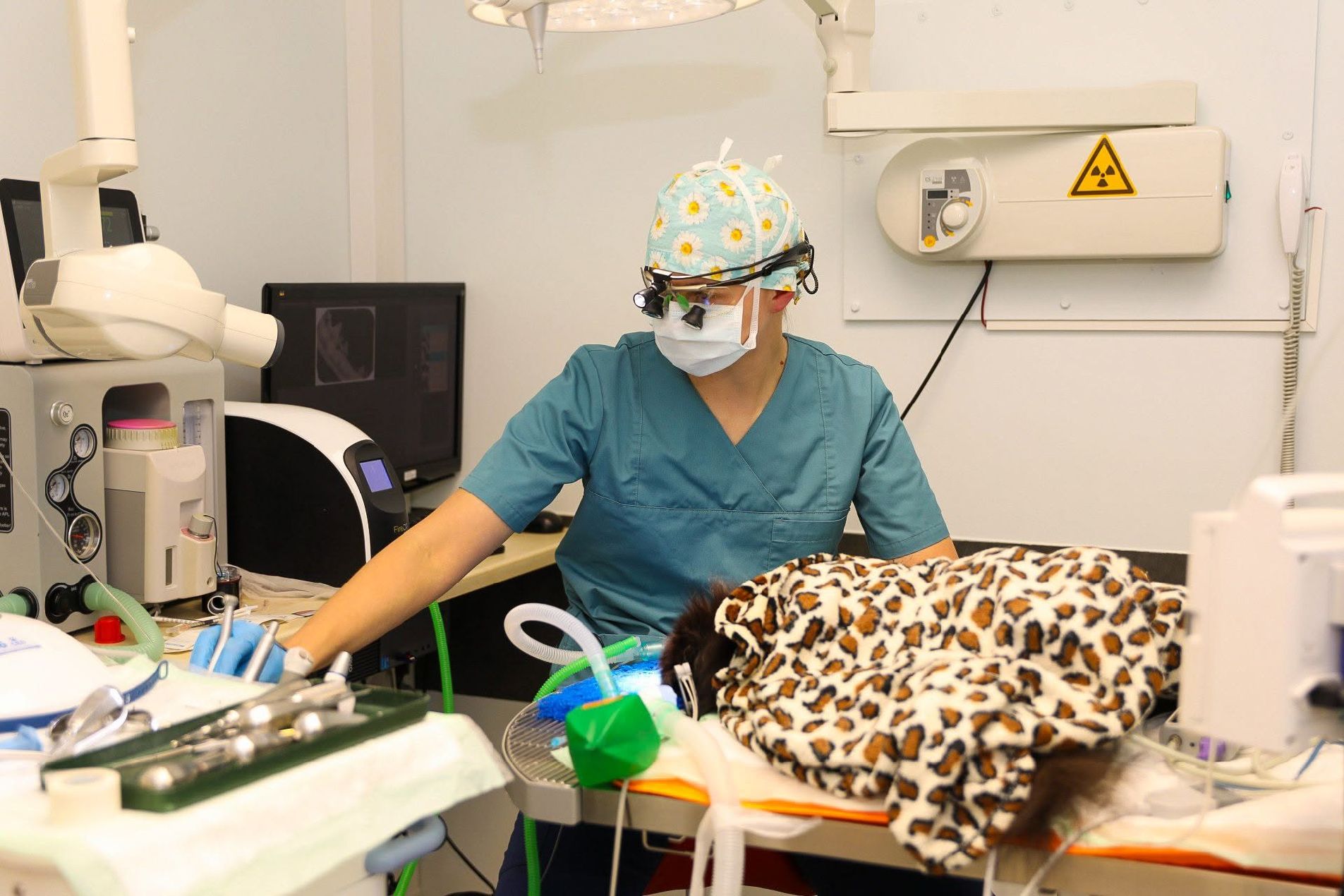
Lemmikloomade hambaravi

Terved hambad ja suuõõs on oluline osa lemmiklooma üldisest tervisest ja heaolust. Hambaprobleemid võivad põhjustada kroonilist valu, halba hingeõhku, söömisraskusi ning kaugele arenenud juhtudel põletikku ja hammaste kaotust.
Loe lähemalt

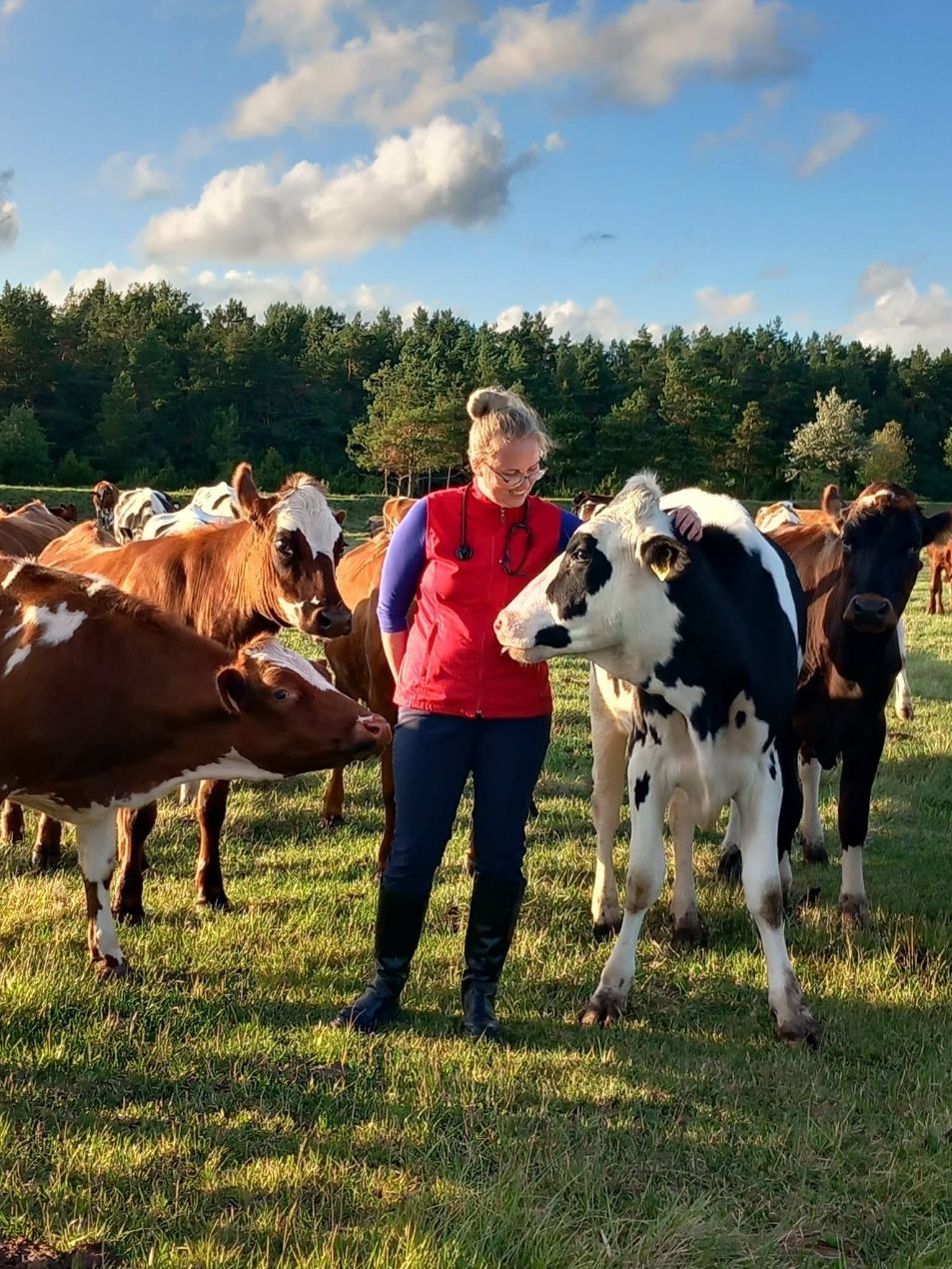
Põllumajandusloomade ravi ja karjatervis

Pakume veterinaarabi põllumajandusloomadele nii üksikloomade haigestumiste korral kui ka kogu karja tervise ja tootlikkuse parandamiseks.
Loe lähemalt

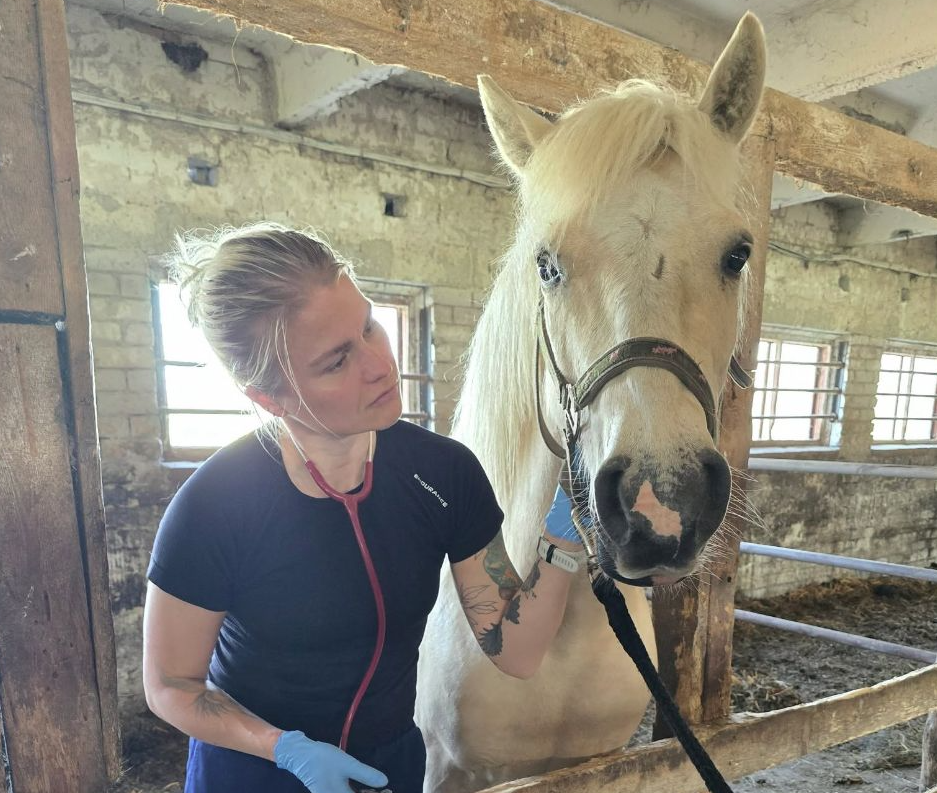
Hobuste meditsiin

Pakume hobustele veterinaarabi nii tavapäraste tervisemurede kui ka ennetava tervishoiu korral.


Loe lähemalt

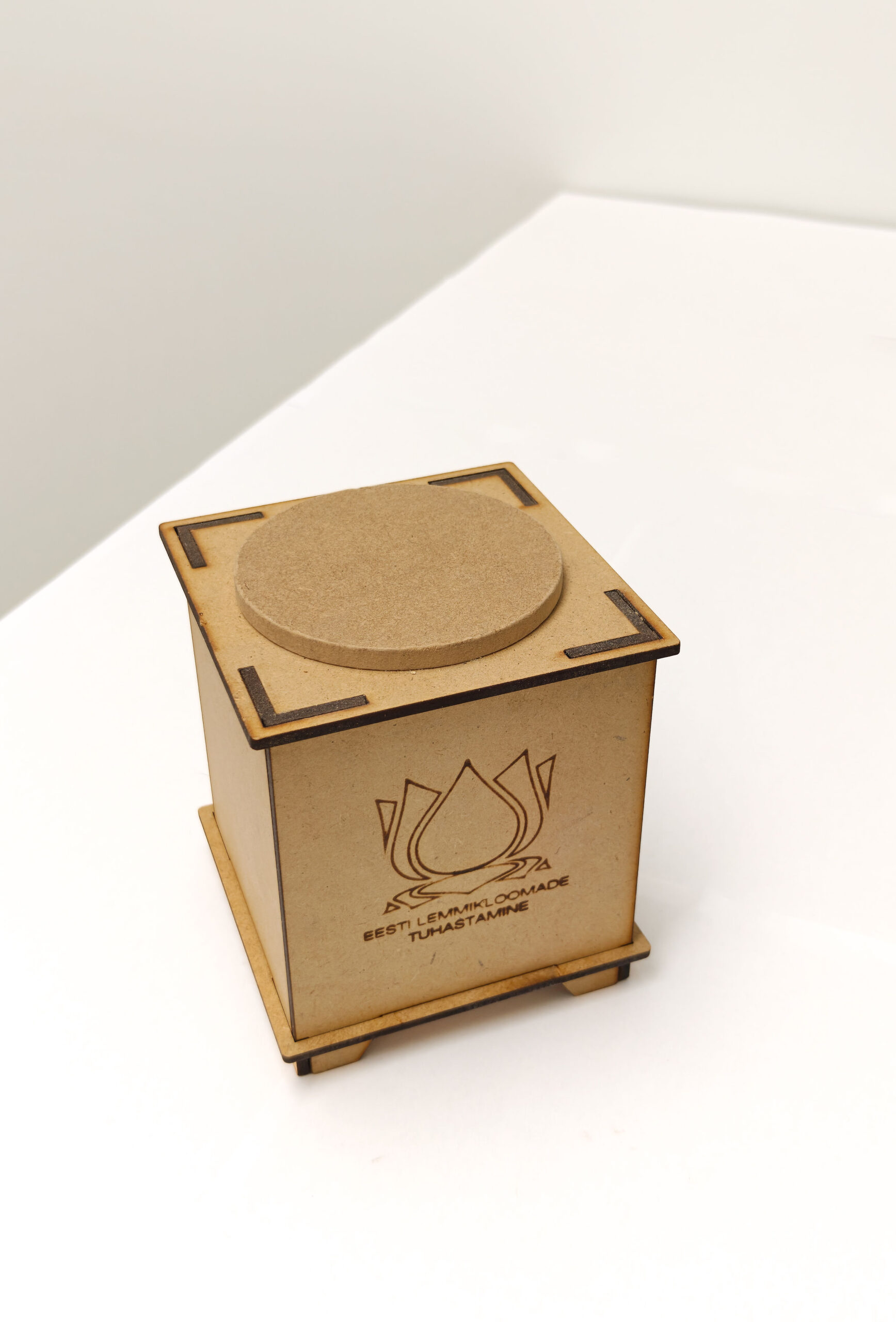
Lemmiklooma tuhastamine

Oleme Teile toeks ka lemmiku elu viimases etapis. Lemmikloom on pereliige ning temaga hüvasti jätmine võib olla väga raske. Soovime Saaremaa Loomakliinikus olla oma klientidele toeks ka siis, kui saabub aeg lemmikuga hüvasti jätta.
Loe lähemalt

OUR TEAM

Meet our specialists

Kristjan Rannaäär

Veterinarian

Lea Hioväin

Veterinarian

Kerti Ruttu

Veterinarian

Liis Poopuu

Veterinarian

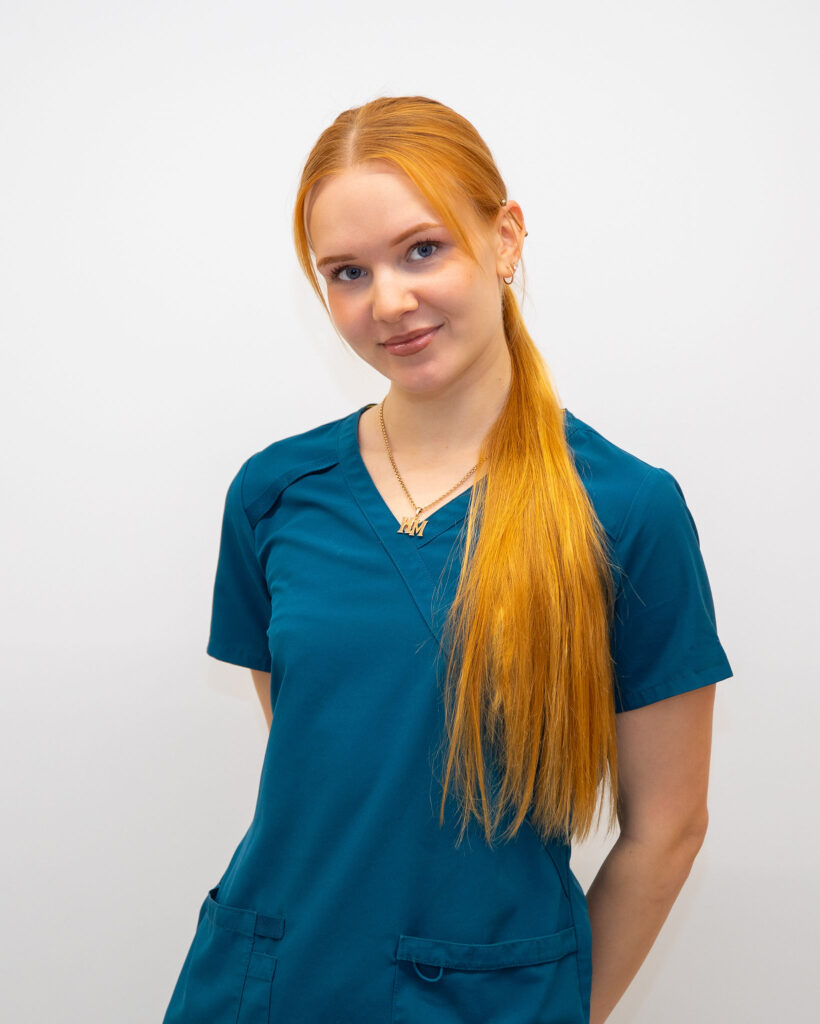
Hanna Palm

Animal dentist

Marti Lasn

Orthodontist

Lisette Anabel Õunpuu

Assistant

Elita Torn

Assistant

Kerttu Kütt

Assistant

Maria Raam

Assistant

Meriliis Silts

Receptionist

Estelle Nõmm-Eist

Receptionist

Eha Lõhmus

Customer service

BEFORE THE VISIT

Here you’ll find information on what to do before your visit, along with additional details

If your pet has previously been to another veterinary clinic, please send us their previous medical history, visit summaries and the results of any examinations and diagnostics before the appointment, if possible, to our email address info@taluapteek.ee.


Unfortunately, animals do not have a shared health database, so we cannot automatically see visits, procedures, blood tests, X-ray or ultrasound examinations or other diagnostic results from other clinics.


If you have not been given your pet’s previous medical history or test results, please ask the clinic where your pet was previously treated to issue them. If you wish, the previous clinic can also send the documents directly to our email address info@taluapteek.ee.


If you have only ever visited our clinic with your pet, we already have the necessary information and you do not need to send anything separately.


Earlier information helps us get a more complete picture of your pet’s health, avoid unnecessary repetition of tests where possible, and plan the appointment and further diagnostics as accurately as possible.

1. Your pet must not eat for 5-6 hours before surgery (except rodents), but water must be available at all times.

2. Just before coming in for surgery, your pet should ideally have been let out to urinate and defecate.

3. When coming to the clinic, please bring a blanket with the scent of home and, if you have one, your pet's passport.

4. Your pet should arrive at the clinic with a coat that is as clean as possible.

5. If your pet takes medication regularly, please be sure to let us know.

6. Please be sure to tell us if your pet has recently been ill, has vomited or had diarrhoea, or is behaving differently from usual.

7. If blood tests or other examinations have been done at another clinic, please send us the medical history in advance if possible.

8. If you would also like other procedures done (e.g. nail trimming, ear cleaning, microchipping), please inform our staff when you arrive for the appointment.

9. When coming to the clinic, please keep your pet on a leash or in a carrier/bag. There may be other pets in the waiting room, and animals can react unpredictably.

Visit fee: this is based on the costs of running a veterinary clinic (rent, electricity, heating, repair and renovation costs, etc.). It makes possible the existence of a clinic where veterinary care is available and where a professional team is ready to receive you and help your pet.


Procedures and diagnostics: this covers the cost of diagnostic supplies, the purchase and maintenance of machines and equipment, and staff training costs, so that our team can build the skills to carry out various procedures and use diagnostic tools (such as ultrasound and X-ray).


Surgeries: surgery is performed by veterinarians who have acquired the relevant skills, and more complex surgical procedures cost more than ordinary medical visits. Surgery requires anaesthesia, which depends primarily on the animal's body weight and on the complexity and duration of the procedure. The operation is carried out in an operating room with a sterile environment, to protect the patient from infections and later complications during wound healing. We use sterile instruments, single-use scalpels and suture materials, and the surgeon and surgical nurse wear sterile gowns, gloves, masks and caps. The operating room is disinfected after every surgery.


Qualifications and experience of the veterinarian and assistant: veterinarians have completed six years of relevant education and continue to improve their skills through various training courses. The profession of veterinarian and veterinary assistant involves lifelong learning, which means continuous self-education and keeping up with the latest research.

Labour costs and the state taxes and VAT paid on them show that the veterinary clinic is a cog in the Estonian economic system and honestly carries its share of the burden of our independence.


Species and size of the animal: for larger animals, medicines and procedures can be more expensive, as the required doses and the amount of work are greater.


Materials and medicines used: vaccines, antibiotics, painkillers and the supplies we use for procedures (e.g. taking a blood sample) all affect the price of the services.


When you book a visit or procedure by phone, we can give you an approximate price range, but the cost of a specific case of treatment is determined during the visit itself.

NEWS

Latest posts and news

Taluapteek OÜ

Pikk tn 61, 93815 Kuressaare

Registry code: 10248787

VAT: EE100736643

Contact